
THE SAXOPHONE COLOSSUS: On Sonny Rollins
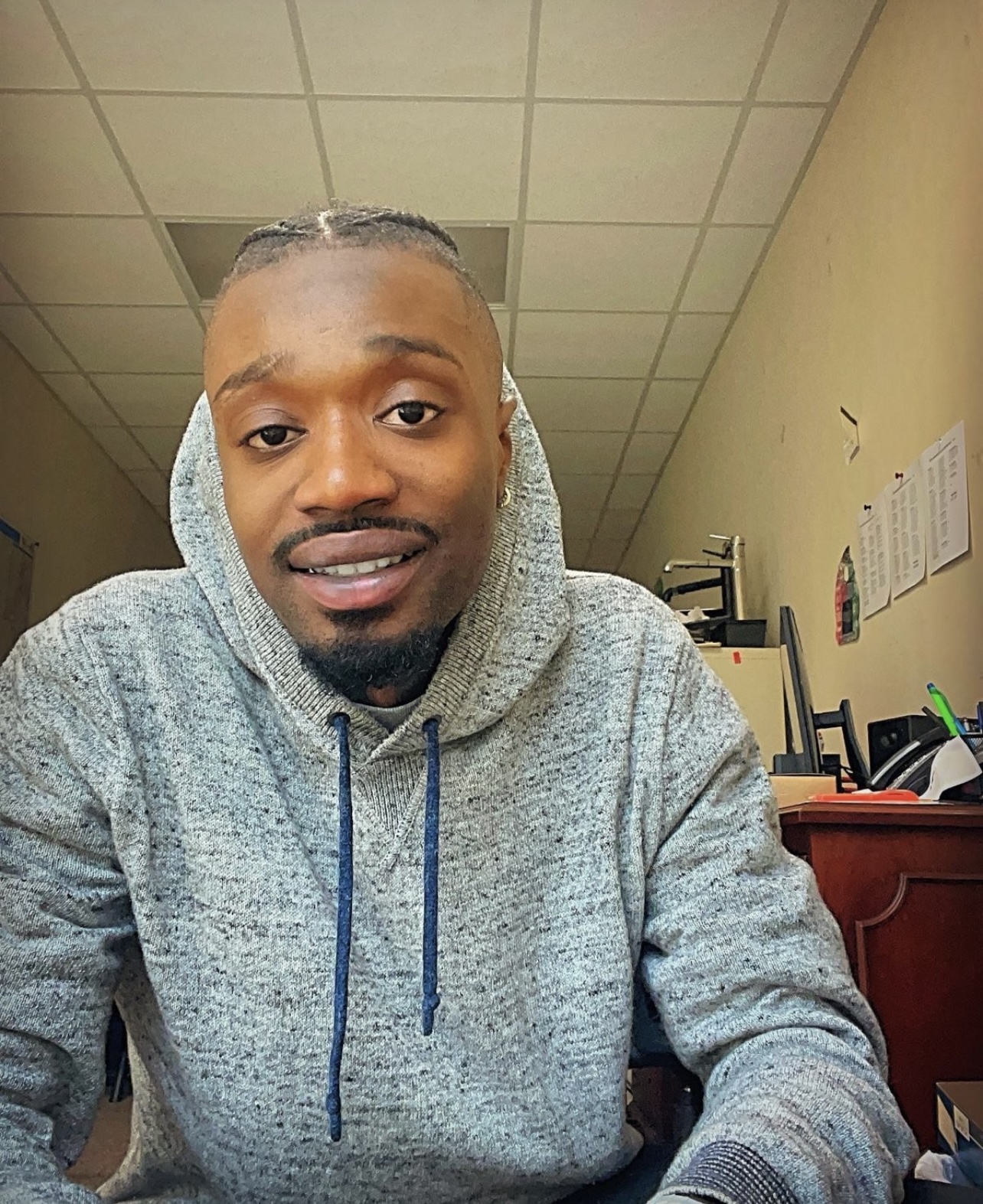
A Personal Eulogy by Xander Thomas

I’ve always had a strange relationship with the modern jazz scene.
I was born in Harlem, on the exact same street where Charlie Parker and Dizzy Gillespie once walked and played. But I was raised in Metro Atlanta, and my introduction to jazz came through Southern school band programs and Glenn Miller arrangements.
I knew the names: John Coltrane, Cannonball Adderley, Miles Davis. But I didn’t know them in essence. Despite playing arrangements of the music, I felt disconnected from the culture.
Or so I thought.
Growing up, I loved the cartoon show "Class of 3000" because it centered my world: Atlanta and music. Even though the show didn’t last long, it left a deep impression on me. Years later, I discovered that André 3000’s character, Sunny Bridges, was inspired by real-life jazz saxophonist Sonny Rollins. That surprised me because we never really talked about Sonny in high school big band.
So I looked him up.

The first song I heard was “God Bless the Child.” It quickly became my favorite saxophone ballad.
Years later, near my high school graduation, my ex-girlfriend’s grandfather showed me the largest jazz vinyl collection I had ever seen in my life. When I told him I was studying jazz in college, his eyes lit up.
Then he asked me a simple question:
“Who’s your favorite saxophonist?”
I panicked.
The truth was, I didn’t really listen to saxophone players like that. At least not deeply. I knew about John Coltrane, but that answer felt too safe. But then I remembered Class of 3000 and answered:
“Sonny Rollins.”
His eyes lit up even brighter.
“Ahh… The Saxophone Colossus. One of the New York titans. A FANTASTIC choice.”
Then he handed me several of his records — one of them being Saxophone Colossus.
That moment changed my relationship with jazz.

I began studying Sonny differently. Not just the notes, but the freedom. The motifs. The confidence. The humor. The sound of someone fully becoming themselves through the horn.
In 2014, Sonny released Road Shows, Vol. 3, what would become his final live release. I listened to it constantly as I began my journey into the world of jazz. The track “Solo Sonny” stood out to me the most.
To me, it sounded like a man telling the story of a life fully lived.
Not perfectly. Not cleanly. But honestly.
Free.
So I studied his life more deeply — his philosophy, his sabbaticals, his relationship to the jazz world around him. I understood Sonny Rollins was never chasing a sound, technical perfection, or even success.
He was chasing his freedom.
And sometimes, when he saw the ugliness around him, he answered by putting the horn down.

It wasn’t until college that I realized my relationship to Sonny was very different from many of my peers.
Most of them viewed Sonny Rollins’ peak as existing somewhere between the 1940s and 1960s. They heard the later road shows as decline, struggle, even noise.
But I think many jazz students missed the final lesson of one of the last true jazz giants still alive.
No one could ever replace the sound of Sonny Rollins.
But that was never the point.
The lesson was never about imitation.
It was all about spirit.
About freedom.
About having the courage to become fully yourself — even when the world around you no longer understands what you’re trying to say.
Sonny Rollins taught us that Jazz is not a sound.
It’s a philosophy.

Rest in power, Colossus. And thank you for your lessons. - Xander Thomas (ColossusTheKid) - 5/25/26
Comments